


If you take a stroll through the bustling streets of Cairo or cruise along the Mediterranean corniche in Alexandria, one thing becomes immediately clear: the Japanese automotive badge is king. From the nimble Nissan Sunny weaving through city traffic to the prestigious Land Cruisers conquering desert outskirts, Japanese cars don’t just exist in Egypt; they dominate.
But why? In a market as diverse and demanding as Egypt’s, where the heat is relentless, and the road conditions can be unpredictable, car buyers aren't just looking for a mode of transportation; they are looking for a partner they can trust. For decades, manufacturers like Toyota, Nissan, and Honda have cracked the code of what the Egyptian driver truly needs. It isn't just about the new car smell or flashy digital screens. It is about a trifecta of reliability, long-term value, and a legendary resale market.
Built for the Heat: The Reliability Factor
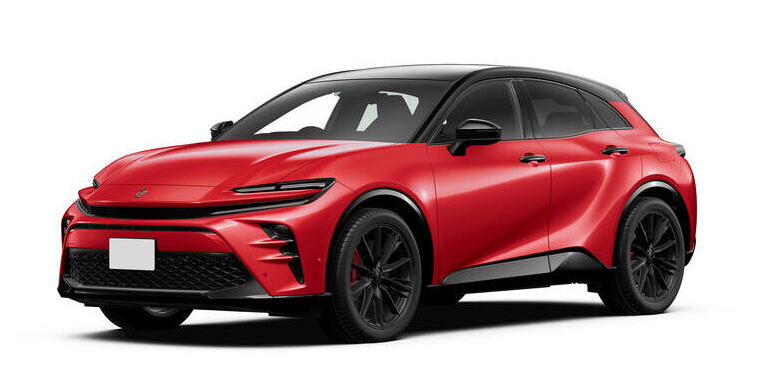
Egypt’s climate is a rigorous testing ground for any piece of machinery. With summer temperatures frequently soaring above 40°C, a car’s cooling system and engine durability are put to the ultimate test. Japanese engineers have historically excelled here. They design over-engineered cooling systems and engines that can withstand high-stress environments.
Therefore, when you buy a Japanese vehicle, you are essentially buying peace of mind. These cars are popular for their mechanical simplicity and robust build quality. Unlike some European counterparts that require specialized sensors and complex electronic diagnostics for every minor hiccup, a Japanese car often rewards basic, routine maintenance with hundreds of thousands of kilometers of service. For many Egyptian families, a car is the second most significant investment after a home, making reliability a non-negotiable requirement.
The Strategic Choice: Why the Used Toyota Camry is a Market Favorite
Within this landscape of Japanese dominance, one nameplate stands out for those seeking a blend of executive comfort and rugged durability: the Toyota Camry. If you are browsing online for a used Toyota Camry, you are participating in one of the most stable segments of the Egyptian automotive market.
Moreover, the Camry occupies a unique sweet spot. It offers more interior space and a more refined ride than the ubiquitous Corolla, yet it maintains that same legendary Toyota DNA. Buyers often hunt for 2018–2024 models because they provide modern safety features like Toyota Safety Sense without the staggering price tag of a brand-new 2026 luxury sedan.
Why the Used Toyota Camry Wins in 2026:
Engine Longevity: The 2.5L engines can easily surpass 300,000 km if treated well.
GCC Specs: Many used Camrys in Egypt are imported with GCC (Gulf Cooperation Council) specifications. This means they feature upgraded radiators and AC compressors specifically built for extreme desert heat.
Parts Availability: You don't have to wait weeks for a part to be shipped from abroad. Almost every major mechanic in Giza or Cairo has Camry components on the shelf.
Fuel Efficiency in a Changing Economy
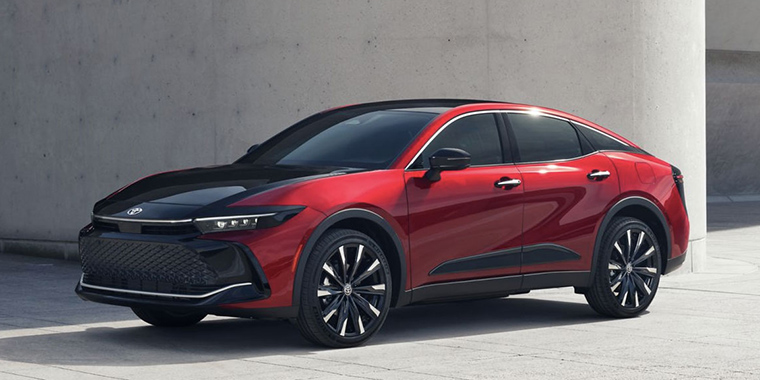
As global fuel prices fluctuate and subsidies evolve in Egypt, the efficiency of a vehicle has moved from a nice-to-have to a financial necessity. Japanese manufacturers have long been pioneers of the lean-burn philosophy. Whether it is the traditional internal combustion engines or the newer hybrid systems, these cars can easily use every last liter of fuel.
For drivers in Egypt whose daily route is quite long, the savings add up quickly. Therefore, a used Toyota Camry Hybrid, for instance, offers a level of fuel economy that makes it one of the most logical choices for long-distance commuters who don't want to sacrifice sedan comfort for a smaller hatchback. This commitment to efficiency ensures that your monthly running costs remain predictable and manageable.
Value for Money: Affordable Maintenance and Spare Parts
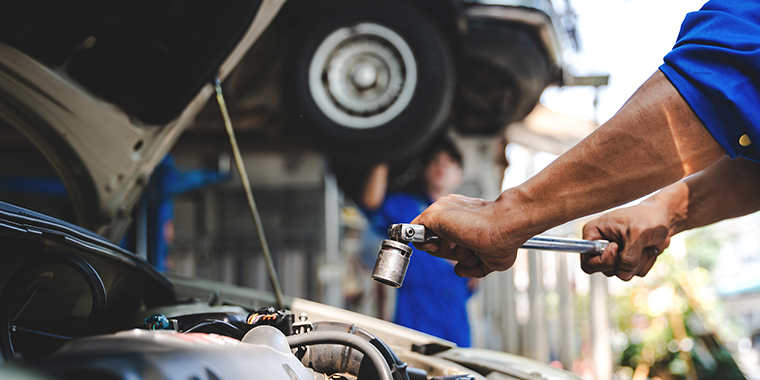
One of the biggest pain points for Egyptian car owners is the total cost of ownership. It’s one thing to buy the car; it’s another to keep it running. Japanese brands have built a massive infrastructure in Egypt, ensuring that spare parts, both original equipment manufacturer (OEM) and high-quality aftermarket, are widely available and competitively priced.
Because these cars are so popular, the supply chain is incredibly efficient. This accessibility drives down repair costs significantly. So, whether you are at a high-end service center or a local neighborhood workshop, the familiarity with Japanese engineering is universal. This democratization of repair ensures that even if something does go wrong, it won't break the bank or keep your car off the road for long.
The Gold Standard: Resale Value and Liquidity
In the Egyptian economy, a car is often viewed as a liquid asset. When times get tough, or it’s time for an upgrade, the ease with which you can sell your vehicle is paramount. Japanese cars, particularly the used Toyota Camry and Corolla, hold their value better than almost any other brand.
Moreover, the depreciation curve for a Japanese car in Egypt is remarkably shallow. While a luxury European car might lose 30-40% of its value the moment it leaves the showroom, a well-maintained Toyota or Nissan holds its ground. This high resale value acts as a safety net for buyers. Therefore, when you buy a Japanese car, you aren't just spending money; you are parking it in a reliable asset that will be easy to sell in a week if you ever need the cash.
The Digital Shift: Buying Your Next Car Online
As we move through 2026, the way Egyptians buy cars has changed. The days of spending every Friday at the Souq al-Sayarat (Auto Market) are being replaced by sophisticated online platforms. Whether you are looking for a certified pre-owned (CPO) vehicle or a direct sale from an owner. The transparency of online listings, complete with high-res photos, 360-degree views, and digital inspection reports, has made the process safer.
For instance, for someone looking for a used Toyota Camry. Online platforms let you compare prices across different governorates. Additionally, they also allow you to check the vehicle's history and even arrange mobile inspections.
Car export platforms like SBT Japan make it quite easy to compare various trims and even search for other cars. With one click, you can explore the car specs and prices. Furthermore, if you have any queries about the vehicle or are unsure which to buy, the customer support team can help. They will answer all your queries and ensure a smooth car-buying experience.
Overall, this digital evolution perfectly complements the Japanese car market. For example, the cars are so reliable that buyers feel more confident purchasing after seeing a verified digital report.
Conclusion: A Smart Investment for the Road Ahead
Ultimately, Japanese cars dominate the Egyptian and broader Arab markets because they respect the realities of drivers. They respect the heat, the budget, and the need for a car that starts every single morning without drama. Therefore, whether you are a first-time buyer or an expert driver, buying a Toyota in Egypt is the way forward.


